When Your Name Is Poison: The Blacklisted Writer Who Secretly Penned Hollywood's Golden Age
The Price of Principles
In 1947, Dalton Trumbo had everything a screenwriter could want. His scripts commanded top dollar, his name appeared on marquees across America, and Hollywood's biggest stars fought to work with him. Then came a single question that would cost him everything: "Are you now or have you ever been a member of the Communist Party?"
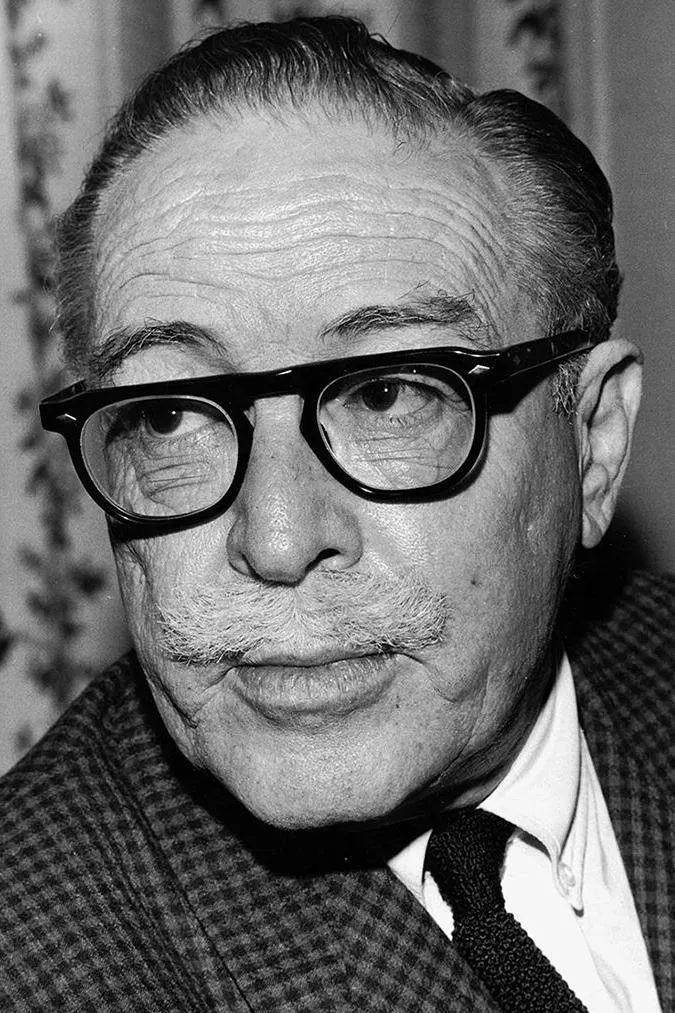 Photo: Dalton Trumbo, via pics.filmaffinity.com
Trumbo's refusal to answer that question to the House Un-American Activities Committee didn't just end his career—it landed him in federal prison and made his name radioactive in an industry built on image. But what happened next would prove that talent, like water, always finds a way.
The Invisible Years
When Trumbo emerged from prison in 1951, Hollywood had moved on without him. The blacklist wasn't just a list—it was a death sentence for careers. Studios wouldn't hire him, agents wouldn't represent him, and his name couldn't appear on a single credit. For most writers, this would have been the end of the story.
Trumbo saw it differently. If Hollywood wouldn't buy scripts from Dalton Trumbo, maybe they'd buy them from someone else entirely.
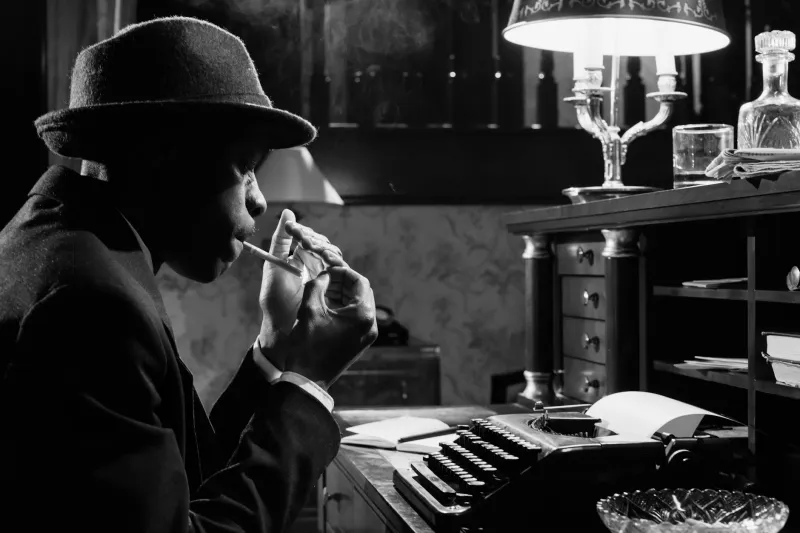
Working from his bathtub—his makeshift office in a cramped rental house—Trumbo began crafting scripts under pseudonyms. His family became his business partners, with his wife and children helping to create elaborate cover stories for fictional writers who existed only on paper. The man who once commanded $75,000 per script now sold his work for a fraction of that price, but he was writing again.
The Secret Hits
What the industry didn't know was that some of their biggest successes were coming from the man they'd tried to erase. In 1953, a screenplay credited to Ian McLellan Hunter won the Academy Award for Best Story. The real author, sitting at home watching the ceremony on television, was Dalton Trumbo.
"Roman Holiday," starring Gregory Peck and Audrey Hepburn, became a classic of American cinema. The Oscar went to Hunter, who graciously accepted on behalf of his "friend" who couldn't be there. That friend was serving as a front for a writer who officially didn't exist in Hollywood.
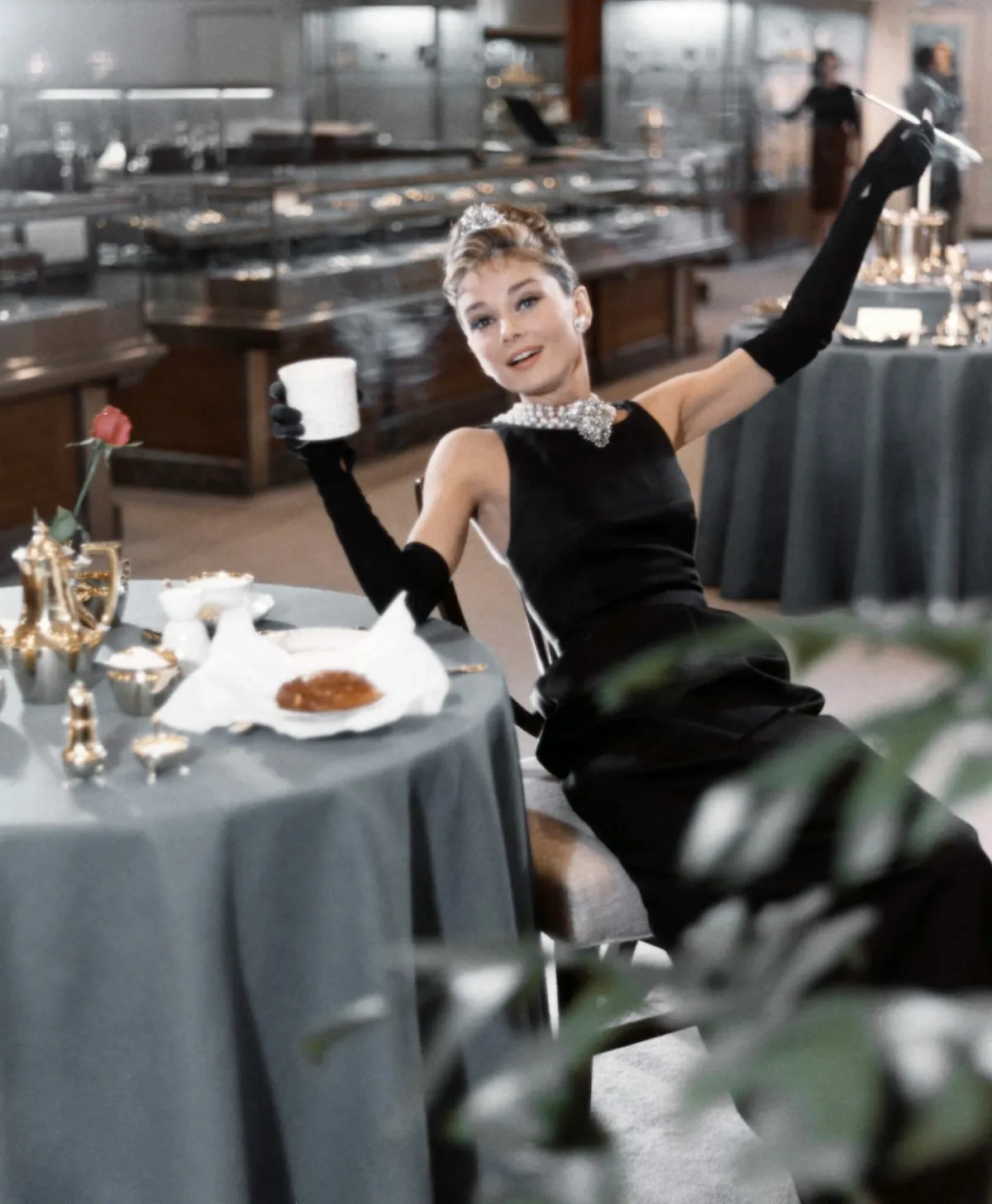 Photo: Audrey Hepburn, via crfashionbook.com
But Trumbo wasn't done. In 1957, another pseudonymous script won him a second Oscar—this time for "The Brave One," credited to Robert Rich, a mysterious writer who never showed up to claim his award. Industry insiders began to suspect something was up when Robert Rich proved impossible to locate, but the truth remained hidden.
Breaking the Silence
By the late 1950s, the blacklist was beginning to crack. A new generation of filmmakers was less interested in Cold War paranoia and more interested in good scripts. When producer-director Otto Preminger announced he was hiring Trumbo to write "Exodus" under his real name, it sent shockwaves through Hollywood.
The announcement came with risks. Preminger could have faced boycotts, theater owners could have refused to show the film, and audiences could have stayed away. Instead, "Exodus" became a massive hit, proving that talent trumped politics at the box office.
The Reckoning
In 1960, Kirk Douglas made an even bolder move. For "Spartacus," he insisted Trumbo receive full credit, making him the first blacklisted writer to see his real name on screen in over a decade. When President John F. Kennedy crossed a picket line to see the film, the blacklist's power was finally broken.
The Academy of Motion Picture Arts and Sciences eventually acknowledged what everyone in the industry had suspected: Dalton Trumbo had written "Roman Holiday" and "The Brave One." In 1975, they posthumously awarded him the Oscar for "Roman Holiday" that had been denied to him for nearly three decades.
The Long Game
Trumbo's story isn't just about surviving persecution—it's about the stubborn persistence of talent in the face of institutional power. While his contemporaries either fled the industry or surrendered their principles, Trumbo found a third option: invisibility.
He understood something that his persecutors didn't: good stories don't care who tells them. By separating his work from his identity, Trumbo proved that creativity operates by different rules than politics. The same industry that had branded him unemployable was unknowingly celebrating his work, handing out awards to scripts they would have rejected if they'd known their true author.
Legacy of the Invisible Writer
Today, Trumbo's story reads like a masterclass in creative resilience. Faced with an impossible situation, he didn't fight the system head-on—he went around it. While other blacklisted writers struggled to find work, Trumbo created an entire shadow career, complete with fictional identities and elaborate cover stories.
The man who lost everything for refusing to name names ended up winning Hollywood's highest honors under names that weren't his own. It's a reminder that in the creative industries, quality has a way of surfacing, even when everything seems stacked against it.
Trumbo's invisible years proved something that Hollywood's power brokers had forgotten: great writing doesn't need credit to be great. Sometimes the best revenge isn't fighting back—it's succeeding so completely that your enemies celebrate you without knowing it.