From Fruit Vendor's Son to Banking Revolutionary: The Immigrant Who Refused to Let Wall Street Win

The Fruit Stand That Started a Financial Revolution
In 1904, a 34-year-old fruit vendor's son walked into a San Francisco boardroom and made an announcement that would have sounded insane to anyone who understood banking: he was going to lend money to immigrants, fishermen, and dock workers—the exact people every respectable bank turned away.
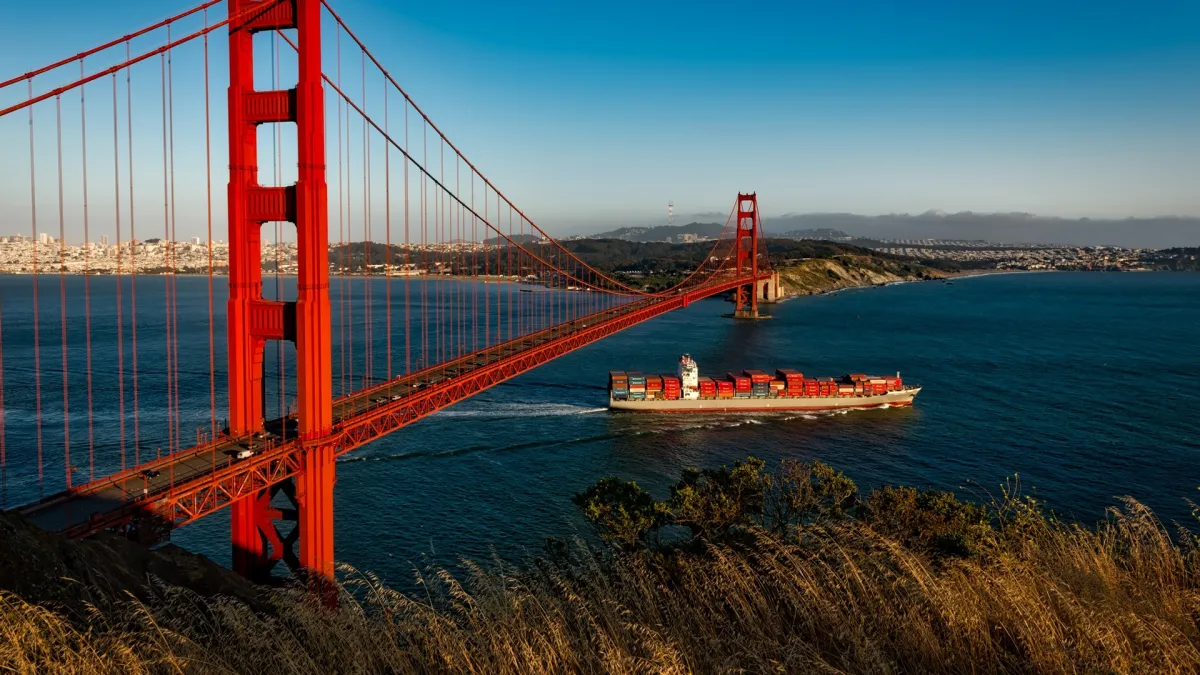 Photo: San Francisco, via i.redd.it
Amadeo Peter Giannini had just inherited a seat on a small bank's board, and he was horrified by what he saw. While wealthy San Franciscans got loans to expand their businesses, hardworking Italian and Irish families were shut out entirely. The banking establishment had a simple rule: only lend to people who didn't really need the money.
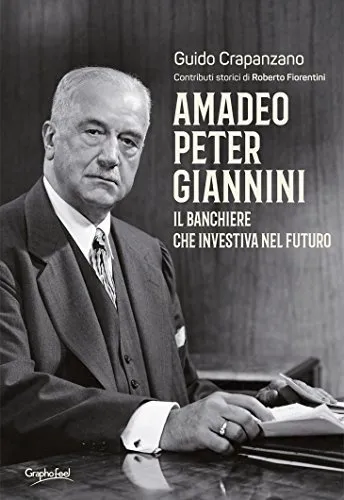 Photo: Amadeo Peter Giannini, via images-na.ssl-images-amazon.com
Giannini had a different idea. What if banking actually served regular people?
The other board members thought he'd lost his mind. So Giannini did what any reasonable person would do: he started his own bank.
Building a Bank for the Forgotten
The Bank of Italy opened in a converted saloon with $150,000 in capital—pocket change by banking standards. But Giannini had something his competitors lacked: he understood his customers because he was one of them.
His father had been a fruit vendor who died when Amadeo was seven. His mother remarried a fruit dealer, and young Giannini spent his teens hauling produce through San Francisco's wholesale markets. He knew what it felt like to be dismissed by men in expensive suits.
So when the 1906 earthquake hit San Francisco, Giannini made a decision that would cement his legend. While other banks shuttered their doors and hid behind bureaucracy, Giannini loaded $80,000 in gold and securities into a produce wagon and set up shop on a wharf plank. He was making loans to rebuild the city before the fires had even stopped burning.
The image became iconic: the banker who literally worked from a fruit crate, lending money to anyone with a solid handshake and a believable story about tomorrow.
When Success Becomes a Target
By the late 1920s, Giannini's Bank of Italy had become Bank of America, the largest bank in the world. He'd revolutionized consumer lending, pioneered branch banking across California, and built an institution that actually grew during economic downturns—because regular people needed banks most when times got tough.
 Photo: Bank of America, via logodix.com
Then came October 1929.
The stock market crash didn't just destroy individual fortunes—it revealed the fundamental weakness of a financial system built for the wealthy. While prestigious banks collapsed under the weight of their own speculation, Bank of America's focus on ordinary depositors and conservative lending kept it afloat.
But survival made Giannini a target.
The Wall Street Conspiracy
Wall Street's establishment had tolerated Giannini when he was just a California curiosity. Now he controlled the largest bank in America, and his populist approach to finance was making their exclusionary practices look antiquated and cruel.
The attack came from within. Giannini's own board, stacked with Wall Street allies, moved to push him out. At age 60, the man who'd built the world's largest bank found himself in a proxy fight for control of his life's work.
The establishment's logic was simple: banking was too important to be left to someone who actually cared about poor people.
The Comeback That Changed Everything
Giannini could have walked away wealthy and defeated. Instead, he launched the most audacious campaign in banking history.
He took his case directly to his customers—the immigrants, farmers, and small business owners who'd built Bank of America alongside him. In an era before mass media, Giannini personally traveled thousands of miles, speaking in union halls, church basements, and community centers across California.
His message was simple: "They want to take your bank and turn it into just another Wall Street institution that won't serve you."
The response was overwhelming. Shareholders who'd never owned stock in anything else rallied to support the man who'd given them their first business loan or helped them buy their first house. In 1932, Giannini won back control of Bank of America in a landslide.
Legacy of the Long Shot
Giannini's victory was more than personal—it was a rejection of the idea that finance should serve only the wealthy. Under his leadership, Bank of America pioneered credit cards, auto loans, and FHA mortgages. The bank that started in a converted saloon became the institution that helped millions of Americans achieve middle-class stability.
When Giannini died in 1949, his personal estate was worth just $489,000—modest by any measure for a man who'd controlled billions. He'd consistently given away his wealth and refused the massive salaries his position could have commanded.
The fruit vendor's son had proved something Wall Street still struggles to accept: sometimes the biggest profits come from serving people everyone else ignores. In an industry built on exclusion, Giannini's greatest innovation was radical inclusion.
His story reminds us that the longest odds often hide the most transformative opportunities—you just have to be willing to bet on people everyone else has written off.