The Patient Who Became the Doctor: How One Man's Breakdown Built America's Mental Health System
The Breaking Point
Clifford Beers should have been thriving in 1900. At 24, he was a bright Yale graduate working in New York's insurance industry, with every advantage that turn-of-the-century America could offer a young man. Instead, he was consumed by a terror so complete that death seemed like the only escape.
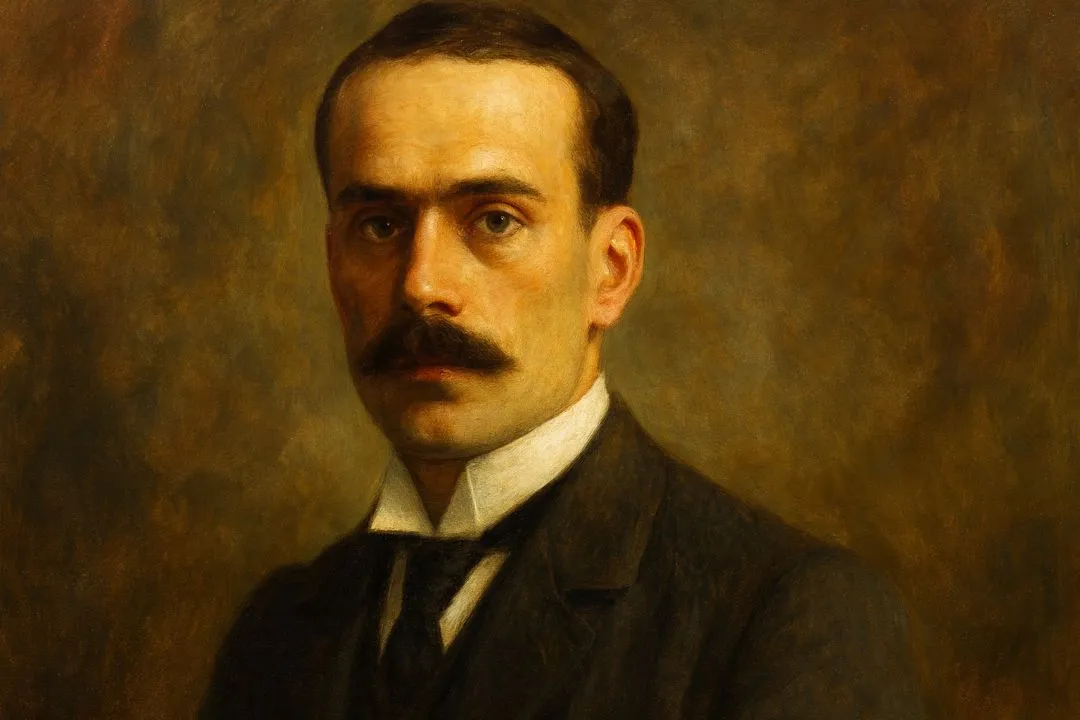 Photo: Clifford Beers, via www.psiconetwork.com
The fear started small—a nagging worry about developing epilepsy like his brother—but grew until it devoured everything else. When Beers attempted suicide by jumping from his apartment window, he survived with a broken back and a new destination: the Connecticut State Hospital for the Insane.
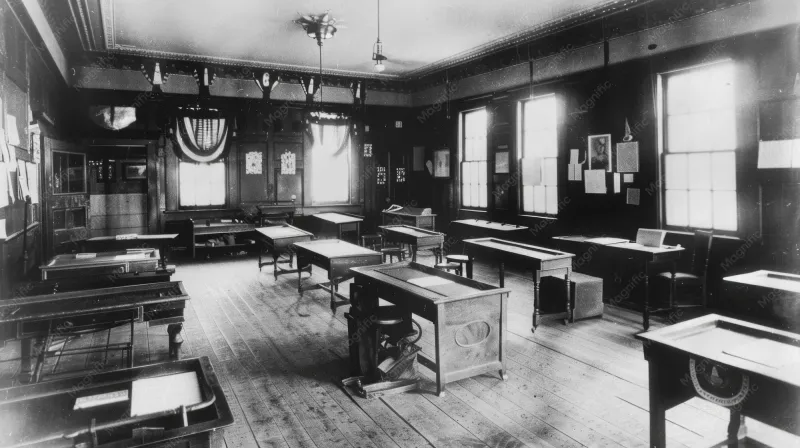
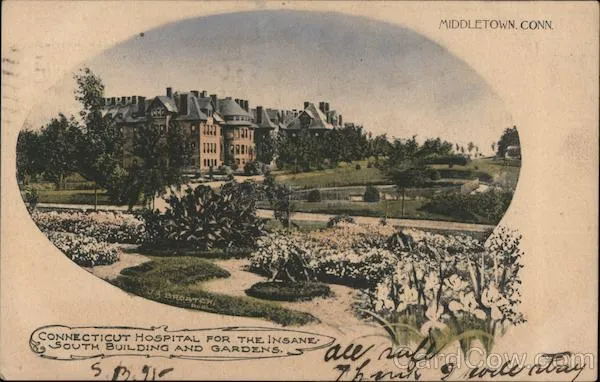 Photo: Connecticut State Hospital for the Insane, via www.cardcow.com
What happened next would change not just his life, but the lives of millions of Americans who would never know his name.
Inside the System
The asylum that welcomed Beers in 1900 was a chamber of horrors disguised as medical care. Patients were chained to walls, beaten for infractions as minor as speaking too loudly, and left in their own filth for days at a time. The "treatments" were medieval: ice baths that lasted hours, straightjackets that cut off circulation, and isolation cells where men and women were left to deteriorate in darkness.
Beers experienced it all. During his worst episodes, attendants would strip him naked and force him into a padded cell barely large enough to lie down. When he protested the treatment of other patients, he was punished with weeks of solitary confinement. The very act of advocating for humane treatment was considered evidence of continued insanity.
But where others saw only suffering, Beers began to see evidence. Every brutality, every moment of neglect, every casual cruelty became data points in a case he was building in his mind. If he survived this place, he would make sure the world knew what happened behind its walls.
The Witness
What made Beers different from the thousands of other patients who endured similar treatment was his ability to maintain clinical detachment even in his darkest moments. He began to study the system that was supposed to heal him, noting the way attendants spoke about patients, documenting the difference between public tours and daily reality, and cataloging the small acts of kindness that proved change was possible.
He also began to understand something that would become central to his later work: the stigma surrounding mental illness was often more damaging than the illness itself. Families abandoned relatives to these institutions not just because they couldn't cope, but because association with mental illness carried social death. Patients weren't just fighting their own demons—they were fighting a society that had written them off as hopeless.
The Unlikely Reformer
When Beers was finally released in 1903, he faced a choice that would define the rest of his life. He could try to forget what he'd experienced, rebuild his interrupted life, and move on like nothing had happened. Or he could do something that no former mental patient had ever attempted: tell the truth.
Beers chose truth, but he was smart about it. He understood that his story alone wouldn't be enough—who would believe a former mental patient? Instead, he spent three years crafting a book that read like investigative journalism, complete with documentation, corroborating witnesses, and proposed solutions. "A Mind That Found Itself" wasn't just a memoir; it was a blueprint for reform.
Building the Movement
The book's publication in 1908 created a sensation, but Beers knew that outrage alone wouldn't create change. He needed allies, funding, and political influence—none of which typically came to former asylum patients. So he did something audacious: he approached the most respected figures in American medicine and convinced them to join his cause.
Dr. Adolf Meyer, the country's leading psychiatrist, became an early supporter. William James, the famous psychologist and philosopher, endorsed the book. Even former President Theodore Roosevelt wrote a letter of support. Beers had managed to transform himself from a discredited patient into a credible advocate by the simple expedient of being right.
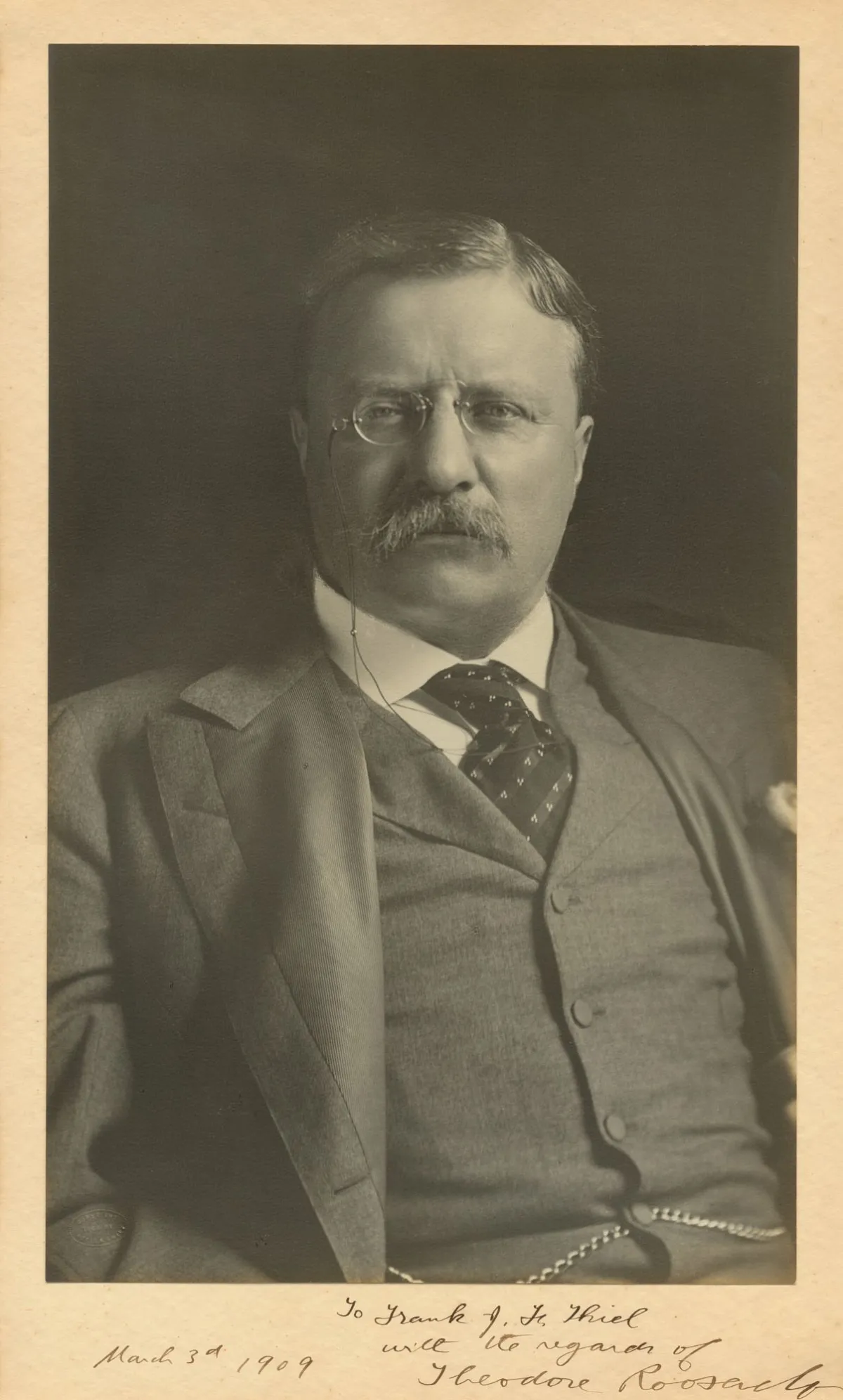 Photo: Theodore Roosevelt, via i.pinimg.com
The National Committee
In 1909, Beers founded the National Committee for Mental Hygiene, the first organization in American history dedicated to improving conditions for the mentally ill. The name was carefully chosen—"mental hygiene" sounded medical and scientific, not emotional or political. Beers understood that reform required respectability, and respectability required the right vocabulary.
The Committee's early work focused on inspection and advocacy. They sent investigators to asylums across the country, documenting conditions and pushing for basic standards of care. They lobbied for laws requiring trained staff, adequate funding, and regular oversight. Most importantly, they began to change the conversation around mental illness from one of shame and hopelessness to one of treatment and recovery.
The Ripple Effect
Beers' work created ripples that spread far beyond asylum reform. The mental hygiene movement he started would eventually evolve into the modern field of mental health advocacy. The idea that former patients could become effective advocates became a cornerstone of peer support programs. The emphasis on community-based care over institutional warehousing would influence decades of policy decisions.
By the time of his death in 1943, Beers had seen many of his ideas become standard practice. Patients had rights, families had support, and mental illness was beginning to lose its stigma as a moral failing. The man who had entered an asylum as a broken patient had emerged as the architect of America's mental health system.
The Insider's Advantage
What made Beers so effective wasn't just his passion or his intelligence—it was his credibility as someone who had experienced the system from the inside. He couldn't be dismissed as an outsider who didn't understand the complexities of mental health care. He had lived in the cells he was trying to reform.
This insider perspective gave him insights that traditional reformers missed. He understood that small changes in daily routine could be as important as major policy reforms. He knew that the attitude of a single attendant could make the difference between hope and despair for a patient. He recognized that families needed support almost as much as patients did.
The Long View
Beers' transformation from patient to reformer illustrates something profound about the nature of expertise. Sometimes the people best qualified to fix a broken system are those who have been broken by it. His three years in the asylum weren't a detour from his life's work—they were preparation for it.
Today, peer support and lived experience are recognized as essential components of effective mental health care. The idea that former patients can become advocates, counselors, and leaders in the field traces directly back to Beers' pioneering work. He proved that surviving a system's failures can qualify someone to fix them in ways that no amount of outside study ever could.
The young man who entered a Connecticut asylum in 1900 as a patient emerged as something unprecedented: America's first mental health advocate. His story reminds us that sometimes our greatest wounds become our greatest weapons for helping others heal.