The Artist Who Painted Truth When Everyone Wanted Pretty Lies
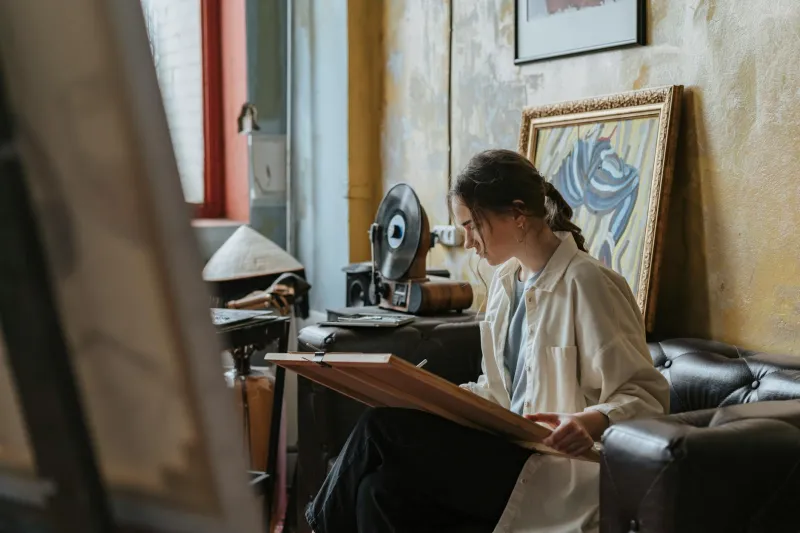
The Woman Who Refused to Paint What Sold
In 1938, Alice Neel was a 38-year-old single mother living in Spanish Harlem with two young sons, no money, and a painting style that made gallery owners wince. While the art world obsessed over geometric abstractions and splashes of color that meant nothing to anyone, Neel insisted on painting faces—real faces, with all their imperfections, neuroses, and raw humanity intact.
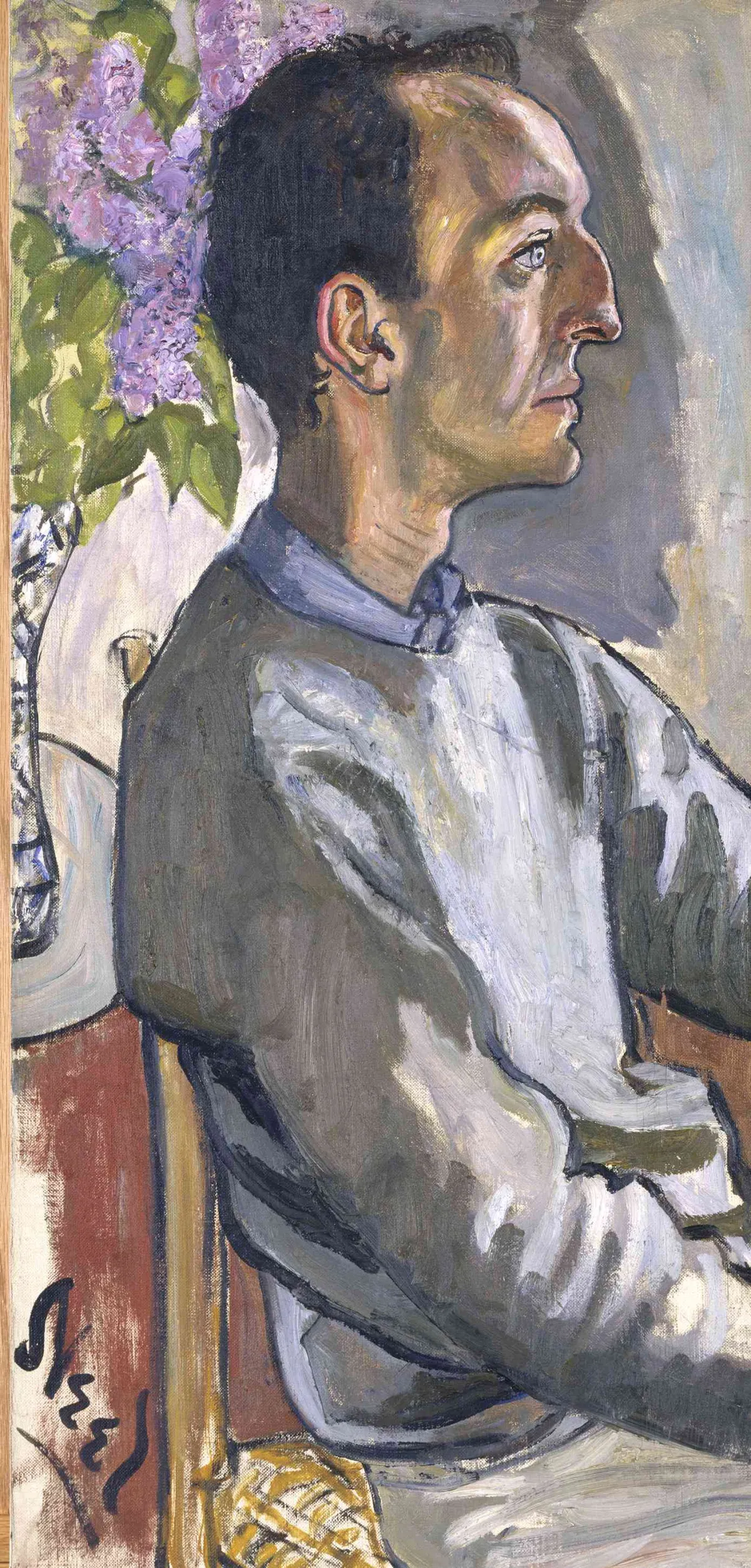 Photo: Alice Neel, via www.thoughtco.com
Her neighbors thought she was crazy. Her family thought she was irresponsible. The art establishment thought she was hopelessly out of touch.
They were all wrong, but it would take 35 years to prove it.
The Portraits That Made People Squirm
Neel's paintings weren't pretty. In an era when successful artists painted soup cans and color blocks, she created psychological excavations that stripped away every comfortable illusion about human nature. Her subjects looked anxious, tired, vulnerable—exactly how real people look when they think no one's watching.
Take her 1966 portrait of Andy Warhol, painted just after he'd been shot. While the art world treated Warhol as an untouchable icon, Neel painted him as what he was: a pale, wounded man in a surgical corset, looking fragile and mortal. The painting was so unflinchingly honest that Warhol reportedly hated it.
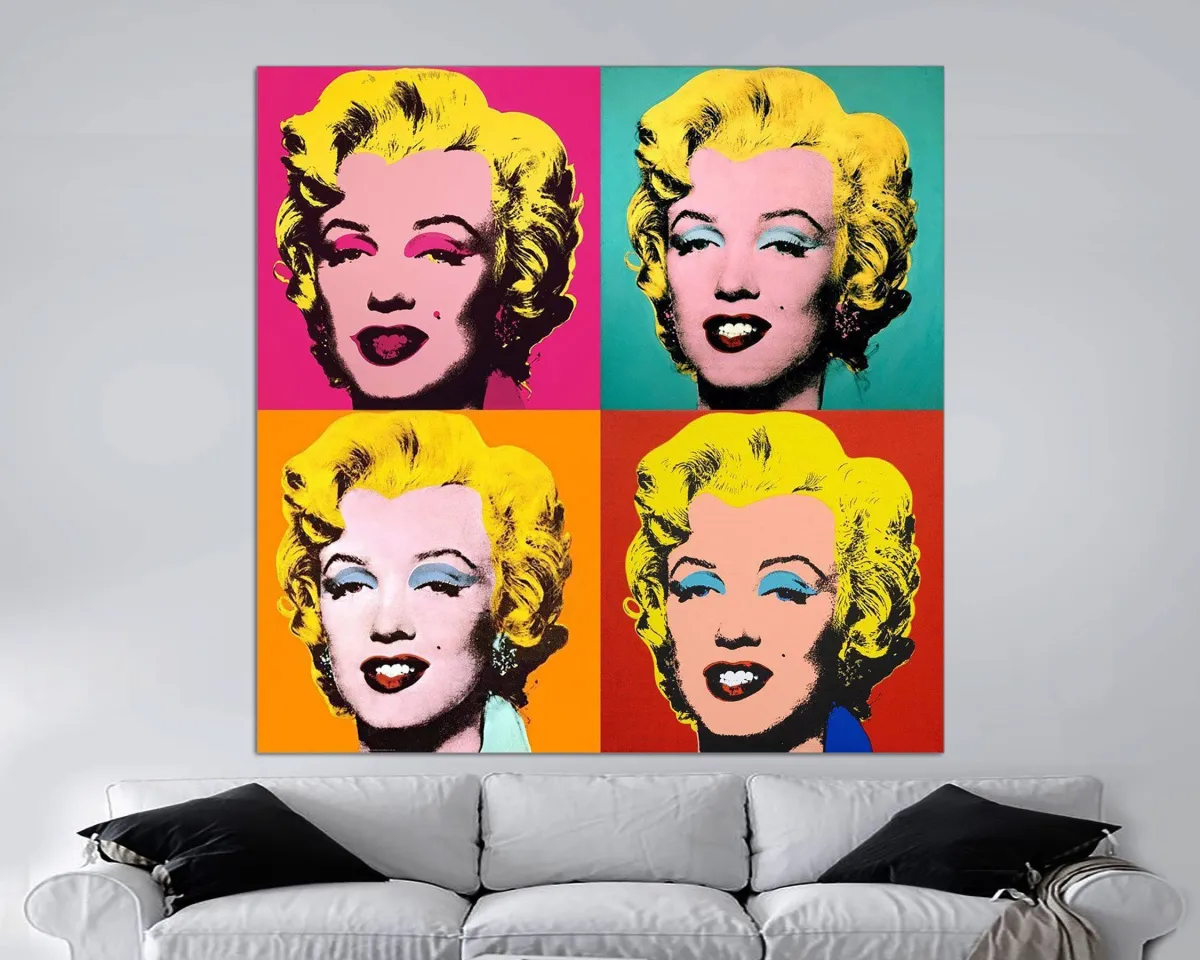 Photo: Andy Warhol, via i.pinimg.com
That was exactly the point.
"I paint the truth," Neel once said. "Not the ideal, but the truth."
The problem was that nobody wanted to buy the truth.
Surviving on Stubbornness and Food Stamps
While her contemporaries sold paintings for thousands, Neel lived on welfare and food stamps. She raised her children in a fourth-floor walkup in Spanish Harlem, turning their cramped apartment into a studio where she painted anyone willing to sit still—neighbors, lovers, strangers, her own sons.
The art world's rejection wasn't subtle. Gallery owners would look at her work and explain, with condescending patience, that figurative painting was dead. Abstract Expressionism was the future. If she wanted to sell paintings, she needed to stop painting people and start painting feelings.
Neel's response was to paint even more people, with even more brutal honesty.
She painted pregnant women with swollen bellies and tired eyes. She painted Black Panthers and Communist organizers when both subjects were considered dangerous. She painted wealthy art collectors with the same unflinching gaze she turned on welfare mothers—and somehow made the wealthy patrons look more desperate.
The Breakthrough That Almost Didn't Happen
By 1974, Alice Neel was 74 years old and still unknown outside a small circle of New York intellectuals. Most artists her age had either achieved recognition or given up. Neel had done neither—she'd simply outlasted everyone who said she was wrong.
Then the Whitney Museum of American Art called.
 Photo: Whitney Museum of American Art, via architizer-prod.imgix.net
The museum's curators had been quietly watching Neel's work for years, waiting for the art world to catch up to what they already knew: her portraits were historical documents as much as artworks, capturing the psychological landscape of America in ways that abstract painting never could.
The Whitney retrospective opened in February 1974 to reviews that bordered on rapturous. Critics who had ignored Neel for decades suddenly discovered that her "outdated" style was actually revolutionary—she'd been painting the inner lives of Americans while everyone else was painting their theories about art.
When the World Finally Caught Up
The Whitney show changed everything, but not in the way success stories usually unfold. Neel didn't become wealthy or famous in the traditional sense. Instead, she became something more valuable: she became necessary.
Museums began acquiring her portraits not as curiosities but as essential documents of 20th-century American life. Her painting of a pregnant Black woman from the 1970s wasn't just a portrait—it was evidence of experiences that official culture had ignored.
Her work revealed the gap between America's image of itself and America's reality. While Norman Rockwell painted the country we wanted to be, Neel painted the country we actually were: complicated, diverse, struggling, beautiful in ways that had nothing to do with conventional beauty.
The Long Game of Artistic Truth
Neel's late-career recognition wasn't just personal vindication—it was proof that artistic truth has a longer half-life than artistic fashion. While the Abstract Expressionist movement that had dominated her career became a historical footnote, her portraits remained urgently relevant.
Today, museums fight over her paintings. Her 1950 portrait of two women—one white, one Black—sharing a tender moment sells for millions, not because it's pretty but because it documented a kind of intimacy that mainstream culture refused to acknowledge existed.
Neel died in 1984, just ten years after her breakthrough, but those final years validated a lifetime of stubborn conviction. She'd proved that the most radical thing an artist could do wasn't to abandon representation—it was to represent people honestly.
The Victory of Patient Vision
Alice Neel's story isn't about overnight success or sudden recognition. It's about the slow victory of authentic vision over market pressures. For four decades, she painted what she saw instead of what sold, supported by nothing more than the belief that truth was worth documenting even when no one wanted to buy it.
Her legacy reminds us that the longest odds often protect the most important work. In a culture obsessed with instant validation, Neel proved that some truths are worth waiting for—and that sometimes the most revolutionary act is simply refusing to lie.
The art world eventually caught up to Alice Neel, but she never compromised to catch up to it. That stubborn integrity, more than any painting technique, was her greatest masterpiece.