From Bavaria to the Bowery
Marcus Goldman stepped off the boat in Philadelphia in 1848 carrying everything he owned in a single carpetbag. He was 27 years old, spoke no English, and had fled Bavaria after political upheavals made life dangerous for Jewish families. America was supposed to be the land of opportunity, but Goldman couldn't see much opportunity from where he stood on the crowded docks.
What he could see was chaos. The Gold Rush was pulling people west, the industrial revolution was transforming cities, and everywhere Goldman looked, people were scrambling to make deals, extend credit, and move money around an economy that was growing faster than its financial infrastructure could handle.
Goldman spent his first months peddling goods door-to-door—coal, cloth, whatever he could carry. It was honest work, but barely profitable. Then he noticed something that would change his life: small business owners were constantly struggling with cash flow, often holding IOUs from customers who couldn't pay immediately.
The Business Nobody Wanted
By 1869, Goldman had saved enough to open a tiny office in lower Manhattan. But instead of competing with established banks for wealthy clients, he went after business nobody else wanted: the small-time merchants, street vendors, and shop owners who needed cash but couldn't qualify for traditional bank loans.
Goldman's innovation was beautifully simple. He would buy these IOUs—known as commercial paper—at a discount, then either hold them until they matured or sell them to investors willing to wait for payment. It was risky, unglamorous work that required Goldman to personally assess the creditworthiness of hundreds of small businesses.
Every morning, Goldman would stuff his tall silk hat with commercial paper and walk the streets of Manhattan, visiting potential buyers. His hat became famous on Wall Street—brokers would joke about "Goldman's mobile filing cabinet." But the system worked. Goldman developed an almost supernatural ability to judge which businesses would survive and which would fail.
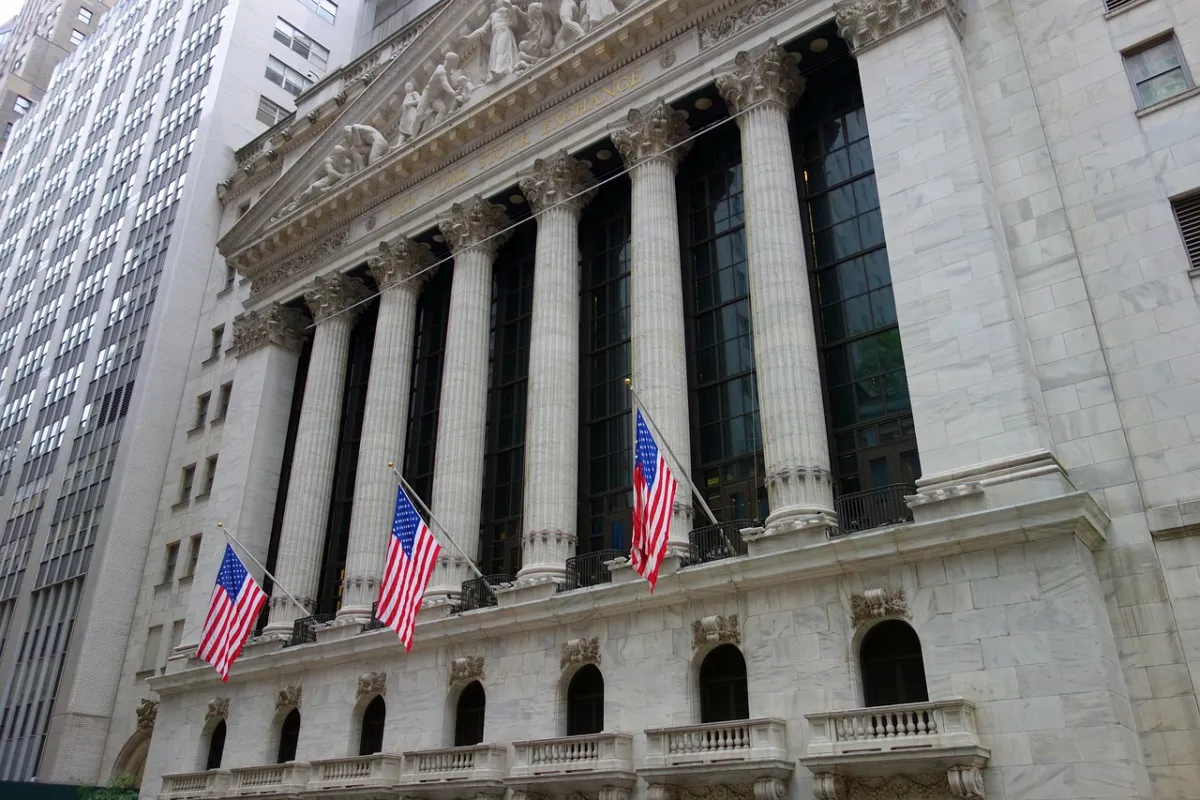 Photo: Wall Street, via cdn.pixabay.com
Building Trust in a Skeptical World
The commercial paper business required something that was rare on Wall Street: genuine trust. Goldman wasn't just buying and selling financial instruments—he was vouching for the integrity of small business owners that banks wouldn't even consider. His reputation became his most valuable asset.
Unlike established firms that relied on family connections and old money networks, Goldman built his business on relationships with immigrants, strivers, and outsiders like himself. He understood their struggles because he had lived them. When a pushcart vendor needed $50 to buy inventory, Goldman could assess the risk in ways that buttoned-up bank officers never could.
This outsider perspective gave Goldman an edge that established players never saw coming. While traditional banks focused on large, established clients, Goldman was financing the small businesses that would drive America's economic expansion. He was literally betting on the American dream, one IOU at a time.
The Family Business Takes Flight
In 1882, Goldman brought his son-in-law Samuel Sachs into the business, creating the partnership that would become Goldman Sachs. Sachs brought connections and sophistication, but Goldman's street-smart approach to credit assessment remained the firm's foundation.
The partnership arrived at a perfect moment. America was industrializing rapidly, and small businesses were growing into major corporations that needed serious capital. Goldman Sachs positioned itself as the bridge between these emerging companies and investors looking for opportunities.
Their breakthrough came in 1906 when they helped take Sears, Roebuck and Company public. It was a massive deal that established Goldman Sachs as a major player in investment banking. But the success built directly on Marcus Goldman's original insight: there was huge value in businesses that traditional banks overlooked.
From IOUs to Empire
By the time Marcus Goldman died in 1904, his tiny commercial paper operation had grown into one of Wall Street's most respected firms. But more importantly, he had helped create the financial infrastructure that allowed thousands of small businesses to grow into major corporations.
Goldman's approach—focusing on creditworthiness rather than connections, building relationships with strivers rather than established elites—became a template for American finance. He proved that you could build a Wall Street powerhouse by serving Main Street businesses.
The firm's growth accelerated after Goldman's death. Goldman Sachs survived the 1929 crash, financed America's industrial expansion during World War II, and eventually became one of the world's most powerful investment banks. Today, it manages trillions in assets and employs tens of thousands of people worldwide.
The Outsider's Advantage
Marcus Goldman's story reveals something profound about American capitalism: sometimes the biggest opportunities come from serving markets that established players ignore. Goldman succeeded not despite being an outsider, but because of it.
His willingness to do business with people who looked and sounded like him—immigrants, small merchants, anyone willing to work hard for a chance at success—created a network that established banks couldn't access. While his competitors focused on lending to railroad barons and industrial titans, Goldman was financing the corner stores and small manufacturers that would become the backbone of the American economy.
The commercial paper market that Goldman pioneered remains crucial to modern finance. Every day, trillions of dollars in short-term IOUs change hands in markets that trace directly back to Goldman's hat-stuffing walks through lower Manhattan. He didn't just build a business—he helped invent a financial system.
Legacy of the Long Odds
Marcus Goldman's journey from penniless refugee to Wall Street pioneer embodies the American dream, but with a twist: he succeeded by betting on other people's long odds. Every IOU he bought was essentially a wager that some struggling business owner would make good on their promises.
His story suggests that the most transformative businesses often come from people who understand struggle firsthand. Goldman could assess risk and character in ways that privileged bankers couldn't because he had experienced uncertainty himself. His empathy was his edge.
Today, Goldman Sachs is synonymous with Wall Street power and prestige. But it began with a Bavarian immigrant walking the streets with a hat full of IOUs, betting that America's strivers would find a way to pay their debts. Sometimes the longest odds produce the biggest payoffs.